This project started from a simple idea: I wanted to do something small but real for men’s mental health. Instead of just posting about it online, I decided to put together a small fundraiser and see what could happen.
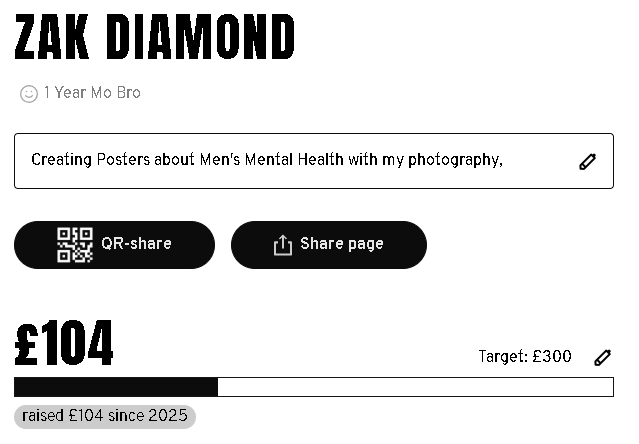
A moment from the Movember fundraiser project
In the end I raised £104 for men’s mental health. It’s not a life-changing amount, but it felt important to do something practical and visible — to show support, start conversations and prove that even small efforts can add up.
Designing posters and creating a place to go
One of the core parts of this project was creating posters. I didn’t just want “donate here” messages — I wanted them to feel like an invitation. The posters pointed people towards support, reminded them that they’re not alone, and tried to make it feel normal to talk about how you’re actually doing, I'm still actively working on this, as it's an ongoing effort, as I believe consistent support is key in addressing men's mental health. Not just in Movember, but all year round.
The goal was to build the foundations of a place to go for support, even if that place was just a noticeboard, a QR code, or a conversation that happened because someone saw a poster at the right moment.
Getting help from others
I didn’t do this alone. Along the way I had support from organisations already doing amazing work in this space. Andy Man’s Club was a huge influence — they’ve built a proper community around men being able to talk openly, and that really helped shape how I approached the project.
I also had help from a local college, who gave me space, feedback and encouragement when the idea was still just rough notes. Having people who believed in the project made it feel like more than just me printing posters on my own.
What I took away from it
- You don’t need a huge budget to make a difference — £104 still matters.
- Visual design (even simple posters) can open doors to real conversations.
- There are incredible groups already doing the work — supporting them is powerful.
- Talking about men’s mental health publicly makes it easier for others to do the same.
This project reminded me that design, photography and creativity aren’t just about making things look good — they can be tools for looking out for people in real life. It’s a small step, but one I’m proud of, and definitely not the last thing I’ll do in support of men’s mental health.